
Citrus
“The first bright minute: zest squeezed over the skin.”
Citrus in Perfumery: The Many Personalities of Sunshine and the Art of Making Freshness Beautiful
There are certain aromatic materials without which I find it almost impossible to imagine the existence of modern perfumery, and citrus undoubtedly belongs to that category. Yet I have always found it rather unfortunate that we casually group so many extraordinarily different ingredients under one convenient description: fresh citrus notes. To my nose, this is almost as unreasonable as describing every flower as simply floral. Consider bergamot, with its magnificent balance of sparkling citrus, delicate floral sweetness, green bitterness and almost tea-like elegance. Now compare it with lemon, whose sharp, crystalline brightness seems capable of cutting through even the heaviest aromatic structures.
Lime possesses an entirely different personality, greener, sharper, more assertive and occasionally carrying an almost bitter, slightly terpenic character that makes it wonderfully energetic. Sweet orange, Citrus sinensis, is considerably more cheerful, with its juicy, rounded sweetness and familiar sun-ripened fruitiness. Bitter orange, Citrus aurantium, belongs to a more sophisticated and restrained aromatic territory, where citrus freshness meets a distinctive dryness and subtle bitterness. Mandarin, Citrus reticulata, is one of the most charming members of the family, possessing a delicate, sweet, almost floral fruitiness that can feel extraordinarily soft compared with lemon or lime.
Green mandarin can express a sharper, greener and more aromatic character, while oils obtained from more mature fruit may present a fuller, sweeter impression. Tangerine and clementine introduce their own variations within this beautifully complicated group. Grapefruit, Citrus × paradisi, fascinates me because its fragrance combines juicy citrus freshness with an unmistakable bitter, slightly sulfurous character that can occasionally seem almost mineral. Yuzu, Citrus junos, has an extraordinary aromatic identity somewhere between mandarin, grapefruit and a particularly expressive sour citrus, yet it possesses a complexity that makes such comparisons rather inadequate.
Citron, Citrus medica, can offer a more restrained, elegant citrus character, while Buddha's Hand, a remarkable fingered form of citron, interests me for its fragrant peel and distinctive botanical identity. Pomelo, kumquat, blood orange and numerous other citrus varieties expand this vocabulary even further. But perhaps the most fascinating lesson lies in their chemistry. Limonene is a major constituent of many citrus peel oils, yet these materials can smell remarkably different because of the proportions and odour contributions of compounds such as citral, linalool, linalyl acetate, gamma-terpinene, aldehydes, esters and trace sulfur-containing molecules.
Some of these substances exist in extremely small quantities yet influence the overall aroma profoundly. This is why I have never believed that citrus perfumery can be understood simply by adding limonene to a formula and expecting the smell of a magnificent orchard. Limonene may provide an important part of the structure, but the character of a beautiful natural citrus oil lives in the relationship between dozens, sometimes hundreds, of aromatic constituents. To my nose, every citrus possesses a different quality of light. Lemon feels like the brilliance of midday, bergamot resembles the golden softness of morning, grapefruit introduces the bitterness of a sunlit rind, while mandarin has something of the warmth of late afternoon.
They may all belong to the same botanical conversation, but each has an entirely different story to tell.
The history of citrus in perfumery is inseparable from the movement of plants, people and aromatic traditions across continents. Citrus species and their ancestors originated in different parts of Asia, and centuries of cultivation, hybridisation and trade gradually transformed them into the remarkable collection of fruits we recognise today. What fascinates me is that many familiar citrus fruits are not entirely independent botanical creations. Their histories involve complicated relationships between ancestral citrus lineages, including citron, mandarin and pomelo. The development of modern citrus varieties is therefore a remarkable story of natural diversity and human cultivation.
These fruits gradually travelled through South Asia, the Middle East, the Mediterranean and other regions, becoming important not merely as food but also as sources of fragrance. Their aromatic peels, leaves and flowers found applications in culinary preparations, household traditions, scented waters and eventually fine perfumery. The transformation of citrus into one of the foundations of European fragrance became particularly significant through the development of eau de cologne. The familiar eighteenth-century cologne tradition explored the magnificent relationship between sparkling citrus oils, aromatic herbs and delicate floral materials, creating fragrances that felt lighter and more refreshing than many of the heavier aromatic preparations of earlier periods.
Bergamot, lemon, orange, neroli and related materials became central to this new aesthetic. But I believe it is important to recognise that citrus perfumery is not simply a European invention. The botanical materials and their cultivation histories connect numerous civilisations, while European perfumers developed a particular style of composition that eventually became internationally influential. The chemistry of citrus extraction is equally fascinating. Many citrus peel oils are obtained through mechanical expression, in which the tiny oil glands located in the coloured outer peel are ruptured to release their aromatic contents. This process can preserve a particularly vivid impression of the fresh peel, although subsequent filtration, separation and processing also influence the finished material.
Steam distillation offers an alternative for certain citrus oils, but the resulting aromatic profile may differ because the extraction process changes which constituents are collected and in what proportions. And then there is the extraordinary example of the bitter orange tree. Its peel can provide bitter orange oil, its leaves and young twigs can yield petitgrain, and its blossoms can produce neroli essential oil or orange blossom absolute, depending upon the extraction process. One tree can therefore offer several genuinely different perfumery materials. I find this almost irresistible from a chemical engineering perspective. The botanical source remains related, yet the aromatic character changes enormously according to which part of the plant is examined and how the extract is prepared.
It reminds me that the relationship between nature and perfumery is not simply about discovering beautiful smells. It is about understanding how those smells are distributed within the plant and how our extraction methods influence their final expression.
When I study the great historical fragrances, I am repeatedly reminded that citrus is not merely responsible for the pleasant first few minutes of a perfume. It helped define entire schools of fragrance construction. The traditional Eau de Cologne associated with Johann Maria Farina in the early eighteenth century established an influential vocabulary of bright citrus and aromatic freshness. Later, Guerlain's Eau de Cologne Impériale, created in 1853 by Pierre-François-Pascal Guerlain for Empress Eugénie, demonstrated how a luminous citrus composition could possess exceptional refinement. I admire the simplicity of the idea, although achieving that simplicity with genuine elegance requires considerably more skill than many people imagine.
The importance of citrus became even more interesting when perfumers began placing it against rich, dark and structurally complicated materials. François Coty's Chypre, introduced in 1917, established a particularly influential relationship between bergamot-led freshness, floral materials, labdanum and mossy depth. The opening provided the necessary brightness to make the darker foundation feel sophisticated rather than oppressive. Guerlain's Shalimar, introduced in 1925, offers another extraordinary lesson. Its famous contrast between brilliant bergamot and a warm, vanillic, balsamic foundation demonstrates that citrus can be just as important in an amber perfume as it is in a traditional cologne.
To me, that contrast is one of the great achievements of classical fragrance architecture. Then came Dior's Eau Sauvage in 1966, created by Edmond Roudnitska, a composition that helped redefine the possibilities of fresh masculine perfumery through its citrus-aromatic structure and innovative use of transparent floral materials such as Hedione. In 1981, Annick Goutal's Eau d'Hadrien offered another beautiful interpretation of luminous Mediterranean citrus, while later fragrances continued exploring everything from grapefruit's bitter modernity to mandarin's soft fruitiness and yuzu's distinctive Japanese aromatic character. What interests me most about these historical compositions is not simply which citrus oils they contain, particularly because proprietary formulas and reformulations make exact ingredient claims difficult.
It is the way their creators understood contrast. A citrus opening can make an amber feel more luxurious, a leather accord more wearable, a woody fragrance more expansive and a floral composition considerably more radiant. Without that initial freshness, many rich perfumes would lose part of their emotional impact. Citrus is therefore not merely decoration placed at the beginning of a fragrance. It is frequently the element that establishes how the entire composition will be perceived. I believe this is why citrus has remained relevant through so many changes in fashion. Styles of perfumery may evolve, but the relationship between brightness and depth remains one of the fundamental pleasures of fragrance.
In my own laboratory, I have never regarded citrus oils as interchangeable ingredients that can be selected simply according to whichever one happens to be available. I prefer to study their individual personalities before deciding what a composition actually requires. Bergamot is particularly valuable when I want freshness that can transition elegantly into a floral or balsamic heart. Its linalool and linalyl acetate content gives it a softer aromatic character that makes it especially useful alongside lavender, clary sage, geranium, rose and certain amber accords. Lemon is an entirely different tool. Its sharp, sparkling character can introduce an extraordinary sense of clarity, but excessive quantities may make a composition feel overly acidic or detergent-like.
Lime is particularly fascinating when I want a greener, sharper citrus impression, especially alongside cardamom, ginger, black pepper, elemi and aromatic herbs. Sweet orange can introduce warmth and joyful fruitiness, while bitter orange offers a more restrained, slightly austere direction. Mandarin is one of the materials I find especially interesting in floral compositions, where its softer citrus character can create a beautiful relationship with jasmine, neroli, orange blossom and delicate musks. Green mandarin can provide a different, more energetic opening, while ripe mandarin may support a warmer and more inviting composition. Grapefruit introduces another challenge because much of its distinctive character is associated with trace sulfur-containing odorants, including grapefruit mercaptan, alongside other volatile compounds.
A convincing grapefruit effect cannot necessarily be achieved merely by combining lemon and orange oils. Yuzu possesses similarly complex aromatic relationships, and I find it particularly interesting in mineral, aromatic and transparent woody structures. Citron and Buddha's Hand offer opportunities to investigate elegant peel-like freshness without automatically relying upon the most familiar citrus profiles. But the real art begins when these materials are combined. Bergamot and lemon can create brilliance with refinement. Mandarin and grapefruit can balance softness against bitterness. Lime and cardamom can produce an unusually lively aromatic opening.
Bitter orange and petitgrain can introduce an almost architectural green-citrus character, while neroli or orange blossom can extend the citrus idea naturally into the floral heart. I am especially fascinated by the relationship between citrus and modern diffusion materials. Hedione can contribute radiance and floral transparency, while selected aromatic and woody molecules can help maintain a fresh impression as the most volatile citrus constituents gradually evaporate. However, I would never confuse extending the perception of freshness with literally preventing natural citrus molecules from evaporating. A perfume achieves continuity through a carefully constructed sequence of aromatic impressions.
We cannot simply command lemon oil to remain unchanged for twelve hours because the marketing department would find that convenient. I am equally particular about the quality and safety of citrus materials. Some expressed oils, particularly certain grades of bergamot and lime, contain phototoxic furocoumarins, while others present different restrictions depending upon their composition. Furocoumarin-reduced or furocoumarin-free grades can be useful, but they must be evaluated for both safety and olfactory quality. Oxidation is another serious consideration. Citrus oils rich in limonene and related terpenes can deteriorate through exposure to oxygen, heat and light, potentially altering their fragrance and increasing sensitisation concerns.
I prefer working with fresh, well-documented batches, sensible storage conditions, careful dilution and appropriate safety calculations. Citrus may create the impression of effortless simplicity, but its successful use demands an enormous amount of technical attention.
My personal fascination with citrus comes from a belief that has become increasingly important throughout my work as a perfumer: freshness is one of the most misunderstood qualities in fragrance. People frequently treat it as something simple, inexpensive and almost disposable, particularly when compared with the prestige associated with oud, sandalwood, rose or orris. I find that attitude rather unfortunate. A magnificent citrus opening can require extraordinary sensitivity, particularly when the objective is to create something that feels natural, elegant and emotionally compelling rather than merely powerful. I have spent considerable time exploring how different aromatic materials contribute to the architecture of a fragrance, and citrus remains one of the finest teachers of balance.
It reminds me that the opening of a perfume should possess character without revealing the entire story. Sometimes I want the sharp brightness of lemon, sometimes the floral sophistication of bergamot, sometimes the cheerful warmth of sweet orange, and sometimes the beautifully unusual bitterness of grapefruit. My affection for the Konkan region of Maharashtra has also influenced the way I think about citrus. I am fascinated by the aromatic landscapes of India's western coast, where citrus, green leaves, warm spices, humid vegetation, sea air and mineral surfaces can exist within the same sensory environment. In a composition such as Coastal Kokan, the relationship between citrus brightness and marine, floral and botanical materials is particularly meaningful to the atmosphere I wish to express.
I do not want a citrus fragrance simply to smell like freshly squeezed fruit. I want it to communicate a place, a temperature, a moment of sunlight and the subtle relationship between the fruit and everything surrounding it. I would encourage every fragrance enthusiast to smell several citrus oils side by side, preferably bergamot, lemon, lime, sweet orange, bitter orange, green mandarin, ripe mandarin, grapefruit and yuzu. Observe how dramatically their personalities differ when they are evaluated independently. Then compare the essential oil of bitter orange peel with petitgrain and neroli from the same botanical source. You may discover that the concept of citrus is considerably more complicated than anything suggested by the familiar fragrance pyramid.
Pay attention to the softer floral qualities of bergamot, the almost uncompromising brilliance of lemon, the green tension of lime, the comforting sweetness of mandarin and the unusual bitter complexity of grapefruit. And please do not judge these materials merely by how long they remain noticeable. Some of the most beautiful ingredients in perfumery perform their greatest work within the first few minutes, creating an emotional impression that shapes the entire experience that follows. I often think that we have become so obsessed with longevity that we occasionally forget the beauty of transience. A magnificent sunset does not become less beautiful because it lasts only a short while, and a beautiful citrus opening does not become less important because its brightest molecules disappear before the deeper materials have completed their journey. Citrus reminds me that not every beautiful thing is intended to remain unchanged.
Some ingredients are born to illuminate the beginning, awaken the senses and quietly make room for everything that follows. They do not need to last forever. They simply need to make the first moment unforgettable.
Artisan Dixit · Perfumer & Founder, Perito Moreno
Perfumes with citrus
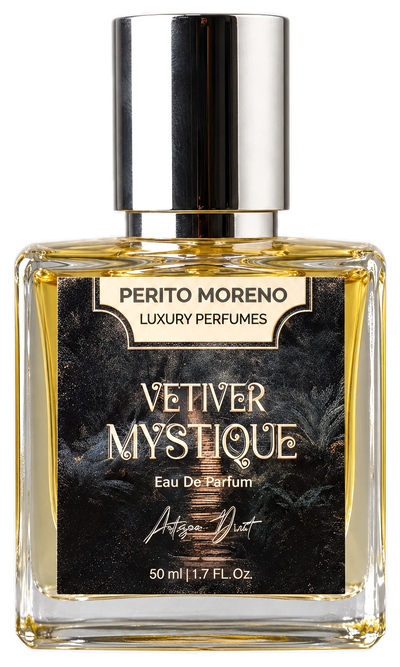
Vetiver Mystique
A ’70s blazer, a turtleneck, smoky vetiver.
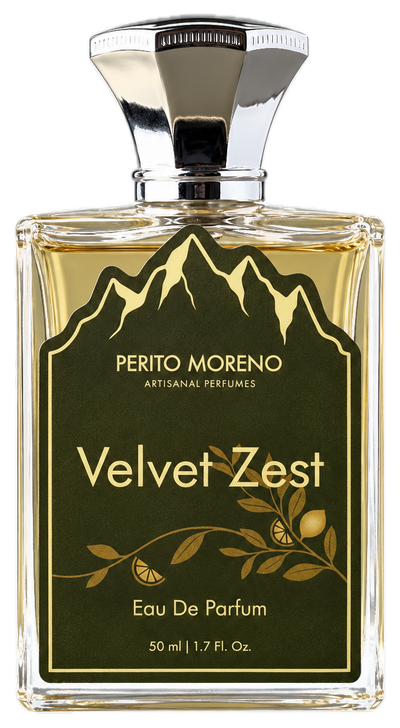
Velvet Zest
Polished and airy, for crisp shirts.

Vetiver Jacmel
Haitian vetiver from 2017, aged five years.
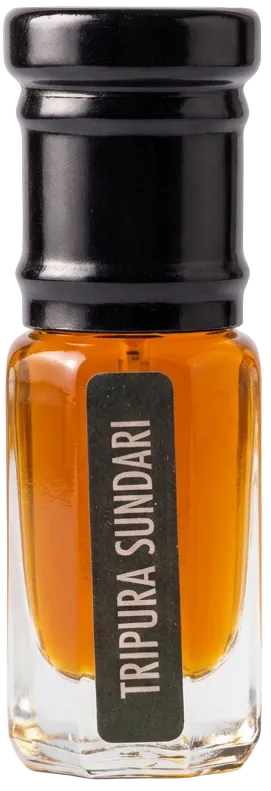
Tripura Sundari
An Offering to the Divine Feminine