
Coastal Kokan
“Sea at dawn, temple flowers, sandalwood.”
Bergamot · Lemon · Sea salt · Marine accord · Bhui chafa · Ylang ylang
It may be poured again one day. Leave your email and you’ll be the first to hear if it is.
- Family
- Floral · Woody · Fresh
- Strength
- Extrait de parfum
- Made
- 2024 · by Nitish Dixit, Pune
- Wears
- 8 hours and more · sits close after two

“I made Coastal Kokan for the coast I grew up loving. When you spray it, I want you standing barefoot at the edge of the Arabian Sea, salt on your lips, temple bells somewhere behind you.
The first ten minutes are bright: bergamot, a little salt. Within the hour the flowers arrive, bhui chafa and jasmine, the way a village smells after the first rain. By evening it is sandalwood and skin. It doesn’t shout. It stays.”

Read the whole story +
By Dixit Artisan
Where rustling palms hum lullabies to the monsoon, and temple bells echo across salt-laced wind… there lies a coast that breathes fragrance. Not perfumery as performance— but perfumery as prayer. Coastal Kokan is that breath— drawn slowly from the sacred soil of the Western Ghats and released into the world with modern grace.
This is not a fragrance that announces itself.
It arrives like the sea at dawn— soft, reverent, ageless.
The Opening: A Kiss of Light and Salt
It begins the way a Konkan morning begins— quiet, golden, full of promise.
A burst of Bergamot and Lemon, sharp as the sun’s first touch on dewy foliage, clears the senses like a temple ablution. Then comes the drift— Sea Salt and Marine notes— not the cliché ozone of department store aquatics, but the true scent of drying nets, briny wind, and waves pulling secrets from the deep.
It smells like standing barefoot at the edge of the Arabian Sea, your grandmother’s voice echoing in the background, telling stories of gods who lived in mango trees and fishermen who wrestled with fate.
The Heart: Sacred Blooms & Village Breezes
The heart blooms not with imported roses, but with India’s own soul flowers.
Bhui Chafa— the ghost flower, the night-blooming sentinel of monsoon love.
Ylang Ylang, exotic and golden, sways like saris on drying lines.
Jasmine, of course— sweet, indolic, flirtatious— woven into braids, temple garlands, and every summer memory.
A subtle touch of Clove lingers beneath, like a sacred fire burning in the distance. It’s the scent of offerings— flowers dipped in sandalwood paste, resting on copper plates beside flickering diyas.
This is not a heart that beats— it chants.
The Drydown: Earth, Bark, and Ritual Warmth
As the story deepens, we walk further inland. The sea behind us, the forest before us.
Ginger Grass crackles like sun-dried stalks underfoot.
Bakula Bark— woody, smoky, ancient— evokes trees older than memory.
And then, the grounding mystique of Yak Furr— a note both primal and serene, like fur warmed by the sun in a Himalayan temple pasture.
And as twilight falls, it all melts into a base of Musk and Sandalwood— rich, creamy, devotional.
The kind of base that doesn’t wear off— it stains your spirit.
The kind of base you wear to weddings and funerals and festivals.
It’s attire, not just perfumery.
A Fragrance of Home and Horizon
Coastal Kokan is not bottled trend.
It is bridged heritage— the soul of India’s Western coast wrapped in the tailoring of modern perfumery.
You can wear it with a linen kurta or a navy blue suit.
It will not clash. It will bless.
This is not just a scent.
It is salt on your lips after laughter.
It is sacred smoke tangled in jasmine braids.
It is soil, sea, sandalwood— and a thousand unwritten poems.
And when it leaves your skin, it stays behind— in memory, in mood, in you.
- First
Lemon and sea salt, like a Konkan morning by the sea.
- An hour in
Monsoon flowers: chafa, jasmine, a touch of clove.
- At night
Creamy sandalwood and musk, warm and devotional.
Floral · Fresh · Woody
- Best in
Summer and the monsoon
- When
Daytime, by the sea or in the city
- Also good
Warm spring evenings
Sea, temple, forest.
Read it the way it unfolds on skin: from the first spray, through the first hour, into the evening. Tap a material to read about it.
Light and salt


“The first light, with salt on it.”
Sacred blooms
 Bhui chafathe ghost flower
 Ylang ylang
 Jasmine sambac
 Clove


“This is not a heart that beats. It chants.”
Earth and ritual


“The kind of base that doesn’t wear off. It stays with your spirit.”
Eight of its materials,
and where they grow.
From the first spray to the last hour on your skin: the eight materials that carry it.
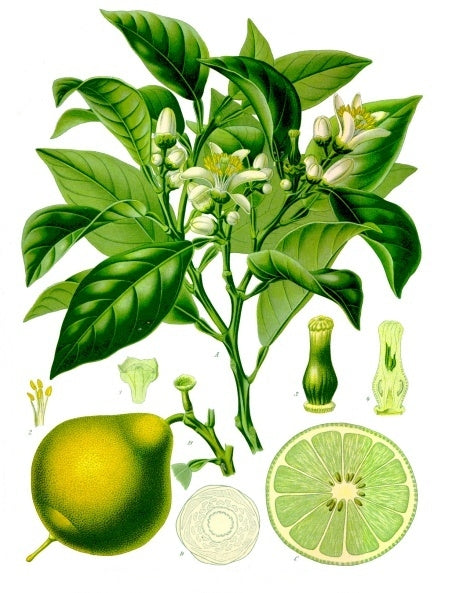
Bergamot

Sea salt

Bhui chafa

Ylang ylang

Jasmine sambac

Clove

Bakula bark

Sandalwood
Plates: Köhler’s Medizinal-Pflanzen (1887) and Blanco’s Flora de Filipinas (1880s), public domain. Bhui chafa: Wikimedia Commons, CC BY-SA 4.0. Salt pans: Shyam Bhagat, public domain.

Palms, boats, the Arabian Sea.
Every Perito Moreno creation gets its own hand-drawn label, commissioned for that perfume alone. Tap a part of it to see what it stands for.
The palms are the opening: bergamot and lemon, and salt in the air off the water.
The patterned border is a temple doorway: bhui chafa, jasmine sambac and a little clove, the heart.
The fishing boats come home at dusk: sandalwood, bakula bark and musk, the part that stays on you.
Eau de parfum, extrait, attar.
 15–20% oilEau de parfum
 20–40% oilExtrait de parfumThis one
 pure oilAttar
- On the skin
- 8 hours and more
- How far it carries
- Close, rich, slow to fade
- How to wear it
- 6 to 8 sprays on skin
Typical ranges in perfumery; every perfume, and every skin, is a little different.
Watch, quietly.
Atul Kasbekar
“Love making discoveries that are world class here in India.”
Varun Badola
“If you love your fragrances, look no further.”
@leluxe.perfumes
A different Indian house, artisanal perfumery made lighter and easier to wear.
@aromavoyageog
“A zesty 4D experience.” On Velvet Zest.
@frag.nestt
“Starting my journey with the best of the best.”
@dr.style_wala
“An absolute gem by an Indian house.” On Culture.
Nitish Dixit
“What do you think?” A new trial, straight off the desk.
Velvet Zest
Gloves on, label checked, one bottle at a time.
@aromavoyageog
“One of the best old-style fougères.” On Fougère Oublié.
From the people who wear them.
Reviews
Also in the gallery
All creations →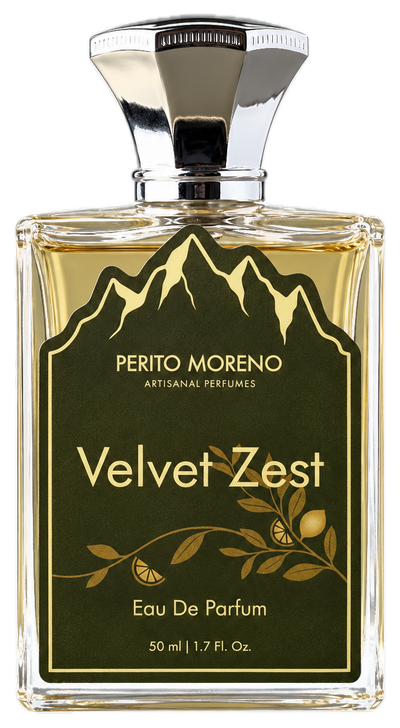


Why is there salt in it? +
Because the Konkan coast smells of salt pans and drying nets, not of the blue “ocean” in department-store perfumes. The salt took many trials.
When do I wear it? +
Monsoon days, weddings by the sea, a linen kurta. It is happiest in humidity, which is most of India.
How long does it last? +
Eight hours and more on most skin. It sits close after the second hour, so people notice it when they are near you, not across the room.
Is it like any famous perfume? +
No. It was written from a blank page. If you smell something familiar, tell Mr Dixit: he likes to know what it reminded you of.