

Vanilla
“Dark, creamy sweetness with a smoky, boozy edge.”
Read more: en.wikipedia.org
Vanilla Bean: The Beautiful Darkness Hidden Beneath the World's Most Familiar Sweetness
There are certain ingredients in perfumery that have become so familiar that we have almost forgotten how extraordinary they actually are. Vanilla is perhaps the greatest victim of this familiarity. Most people associate it with cakes, ice cream, confectionery and a comforting sweetness, but I have always believed that describing a genuine Vanilla Bean merely as sweet is an enormous injustice to one of nature's most sophisticated aromatic materials. A beautifully cured vanilla pod possesses an extraordinary collection of fragrances: warm balsamic sweetness, dark tobacco, soft leather, dried fruit, delicate spices, faint woody bitterness and an almost alcoholic richness.
Some beans possess a slightly smoky character, while others reveal floral, anisic or even cherry-like nuances. When I smell a magnificent natural vanilla absolute, I am not simply smelling vanillin. I am encountering the result of botanical development, enzymatic transformations, careful curing and an astonishing arrangement of aromatic molecules. Vanilla can be sensual without becoming gourmand, dark without becoming smoky and sweet without resembling sugar. To my nose, its greatest beauty lies in those subtle imperfections that distinguish the fragrance of an actual cured bean from the clean, familiar sweetness of isolated vanillin.
Vanilla comes from climbing orchids belonging to the genus Vanilla, with three particularly important aromatic types: Vanilla planifolia, Vanilla × tahitensis and Vanilla pompona. The first is responsible for most commercial vanilla production, particularly the Bourbon-style vanilla associated with Madagascar and the wider Indian Ocean region. Its fragrance is rich, creamy, warm and characteristically vanillic, frequently accompanied by dark balsamic and woody undertones. Tahitian Vanilla possesses a different personality, often appearing softer, more floral, fruity and delicately anisic. Scientific investigations have demonstrated that Tahitian beans can contain higher proportions of anisyl compounds, which help explain some of their distinctive aromatic character. Vanilla pompona, cultivated in parts of tropical America, introduces yet another fascinating expression, potentially containing unusual floral, spicy, phenolic and darker aromatic facets.
What fascinates me most, however, is that a freshly harvested green vanilla pod does not possess the fully developed fragrance we associate with cured vanilla. That transformation requires carefully managed post-harvest processing, traditionally involving stages of heat treatment, sweating, drying and conditioning. During curing, biochemical transformations help release vanillin from its precursors and develop the broader aromatic profile. This is one of the most remarkable examples of human craftsmanship working alongside plant chemistry. A beautiful vanilla bean is not simply grown. Its fragrance is patiently developed.
The chemistry of vanilla extends far beyond vanillin, although vanillin remains one of its defining odorants. Other important constituents and aroma contributors include p-hydroxybenzaldehyde, vanillic acid, anisaldehyde, anisyl alcohol, guaiacol and numerous additional compounds whose relative importance depends upon the species, origin and curing method. What interests me as a chemical engineer is the distinction between chemical abundance and olfactory importance. A compound present in a small concentration can contribute disproportionately to the finished smell when its odour threshold is sufficiently low. This helps explain why isolated vanillin, beautiful as it is, cannot fully reproduce the complexity of a genuine cured bean.
Natural vanilla is available to perfumers through several preparations, including tinctures, solvent extracts, absolutes and selected CO₂ extracts. Each may possess a different aromatic balance depending on the starting beans and processing method. A tincture can reveal a beautiful relationship between dark sweetness and the bean's subtler aromatic qualities. A rich absolute may possess greater density, balsamic warmth and darker undertones. An appropriately prepared CO₂ extract can offer another expression of the source material, although no extraction technique automatically guarantees a perfect reproduction of the cured pod. I find these differences extraordinarily important because the finest material is not necessarily the one containing the greatest amount of vanillin.
Sometimes the more interesting extract is the one that preserves the bean's tobacco-like darkness, woody complexity and delicate floral imperfections.
In my own laboratory, Vanilla Bean Absolute is one of those materials I approach with considerably more respect than the familiar word vanilla might suggest. I am particularly interested in how its darker characteristics interact with florals, woods, resins and tobacco. Orris is one of my favourite directions for exploration because the powdery sophistication of iris can create a beautiful relationship with vanilla's soft balsamic sweetness. Rose introduces an entirely different personality, allowing vanilla to develop a sensual floral warmth without necessarily becoming an obvious gourmand composition. Jasmine Sambac can contribute an indolic richness, while Ylang-Ylang introduces a creamy floral dimension that can make the combination almost voluptuous.
I find vanilla equally fascinating with tobacco absolute, where the relationship between cured botanical dryness and warm sweetness can become extraordinarily elegant. Labdanum, benzoin, styrax and Tolu Balsam offer different ways of constructing amber around vanilla, but I prefer to preserve their individual personalities rather than allowing everything to disappear beneath one enormous sweet accord. Sandalwood, patchouli, vetiver, guaiacwood and selected leather materials can introduce the darker contrasts that make natural vanilla so interesting. I would also distinguish Vanilla Bean Absolute from vanillin, ethyl vanillin and other vanilla-related aroma molecules.
Vanillin can provide a beautiful, recognisable sweetness, while ethyl vanillin is generally stronger and can feel more confectionery-like. But neither is a complete substitute for the complexity of a carefully prepared natural bean extract. I prefer studying these materials side by side at suitable dilutions, observing how their sweetness, darkness, diffusion and persistence differ. The technical challenge is not simply making the perfume smell more vanillic. It is deciding which aspect of vanilla belongs in the composition.
My personal fascination with Vanilla Bean comes from the extraordinary difference between sweetness and maturity. A simple vanilla accord can be comforting, pleasant and immediately recognisable. But a magnificent natural Vanilla Bean possesses a personality that becomes more interesting the longer I spend with it. It can smell of tobacco without containing tobacco, suggest warm leather without becoming animalic and introduce an almost liqueur-like richness without requiring an obvious boozy accord. I find the relationship between vanilla and vintage perfumery particularly compelling because its darker qualities can support powdery florals, balsamic ambers and beautifully mature woody structures.
I would encourage every serious fragrance enthusiast to compare a genuine Madagascar Vanilla Absolute with an authenticated Tahitian Vanilla extract, then smell both beside pure vanillin and ethyl vanillin. The difference can be astonishing. One may feel dark, creamy and balsamic, another more floral and anisic, while the isolated molecules reveal only selected parts of the broader vanilla identity. For me, this is the real education of a perfumer: understanding that a natural ingredient is not merely a convenient source of one famous molecule. It is an entire aromatic environment. Vanilla has taught me that sweetness is perhaps the least interesting thing about a beautiful vanilla bean.
Its real magnificence lies in everything surrounding that sweetness: the tobacco, the woods, the delicate flowers, the darkness and the extraordinary patience through which a green orchid pod becomes one of the most beautiful fragrances in the world.
Artisan Dixit · Perfumer & Founder, Perito Moreno
Perfumes with vanilla

Thumri
Rose and musk. Romance, sung slowly.
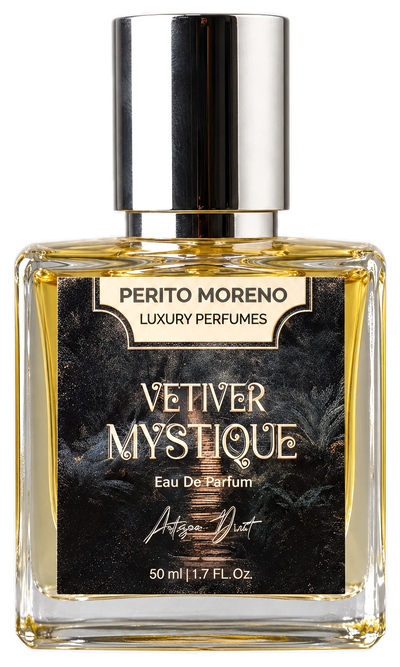
Vetiver Mystique
A ’70s blazer, a turtleneck, smoky vetiver.
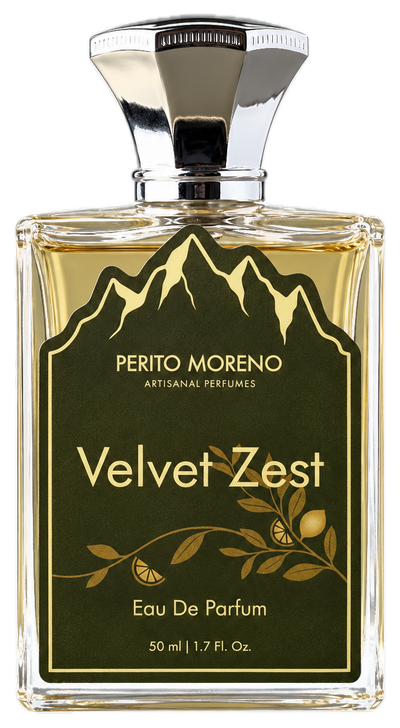
Velvet Zest
Polished and airy, for crisp shirts.
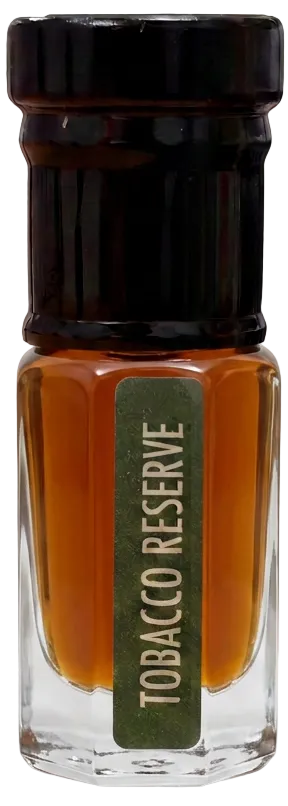
Tobacco Reserve
Rich tobacco. Vanilla bean. A quiet obsession.
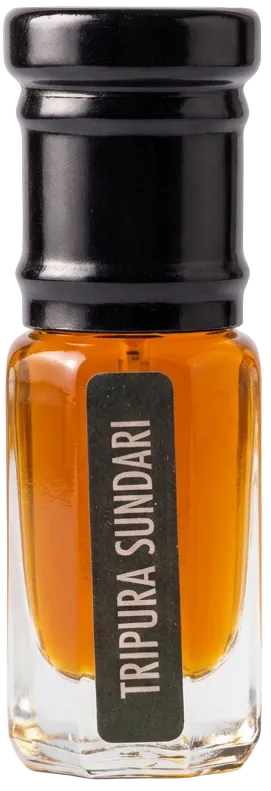
Tripura Sundari
An Offering to the Divine Feminine